
Like most kids my age, I watched a lot of television as a child. Not the gritty dramas of today or silly cartoons my son grow up with, but classic sit coms with quirky characters and often farcical storylines.
The Beverly Hillbillies, Gilligan’s Island, Hogan’s Heroes, The Andy Griffith Show, Mr. Ed, Dick Van Dyke Show, and Green Acres—they were all part of the television roadmap of my childhood. I can still sing or hum all of their theme songs.
As stupidly funny all of these shows were, they did teach us some important life lessons.
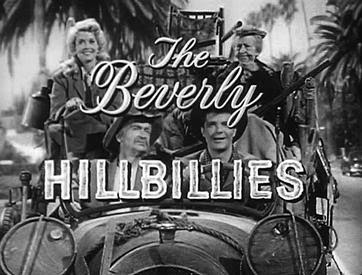
Beverly Hillbillies: Humility and Loyalty Over Fancy Things
Jed Clampett struck oil and struck it rich, but he never let the money change who he was. Despite living in a Beverly Hills mansion with a cement pond, he remained a humble, kind man in a battered hat who treated everyone with respect.
Granny’s sass, Jed’s calm decency, Ellie May’s fondness for critters, and Jethro’s earnest cluelessness were authentic. The Clampetts may have been labeled “backward,” but they were often the wisest people in the room.
They reminded us that common sense, kindness, and staying true to your roots matter more than fitting in.
Gilligan’s Island: Every Group Needs a Gilligan (and a Professor)
Seven people stranded on an island, and none of them ever thought to build a better boat—but they built a whole society, quirks and all. Gilligan’s Island taught us that people bring different strengths to the table—and different kinds of chaos.
Gilligan, well-meaning but bumbling, reminded us that good intentions matter, even if they derail plans. And the Professor? He showed us the value of curiosity and ingenuity (even if he couldn’t fix the hole in the boat).
Sexy Ginger and wholesome Mary Ann played the starlet vs. sweetheart roles. The Captain, Thurston, and Thurston’s wife Lovey had their character flaws as well.
They all somehow made it work, though—because they had to. Community is born of cooperation, even with people who aren’t at all like you.
Hogan’s Heroes: Wit Is a Form of Resistance
As a kid, I didn’t fully grasp the real-world horror behind Hogan’s Heroes. I just knew the American POWs outsmarted their bumbling Nazi captors week after week, and that Colonel Hogan always had a plan.
Later, I understood the subversive genius of it all: laughter in the face of tyranny. The show didn’t just poke fun at authoritarianism—it dismantled it with cleverness, camaraderie, and nerve.
It showed us that intelligence, humor, and solidarity are tools of survival—and sometimes, rebellion.
The Andy Griffith Show: Leading with Heart
Mayberry was a place where the sheriff didn’t carry a gun, and problems were solved with empathy, not brute force. Sheriff Andy Taylor was calm, patient, and wise.
He wasn’t flashy or commanding, but he listened more than he lectured, especially to his son Opie. Andy always looked for the good in people—even his bumbling, dimwit deputy Barney Fife.
In a world that often glorifies tough talk and fast action, Andy showed us the quiet power of empathy and moral clarity. He led not through fear, but through example.
Mr. Ed: Listen Before You Laugh
There’s something wonderfully subversive about a talking horse who only converses with one man. Mr. Ed introduced us to the absurdities of life—and to the idea that sometimes it’s okay if things don’t make sense.
Wilbur Post, perpetually flustered, was the only one who knew the truth about the horse, and no one ever believed him. But it taught us that not everything has to be logical to be meaningful.
And sometimes, the world is more interesting when you let yourself believe in the impossible.
The Dick Van Dyke Show: Marriage, Work, and the Joy of Falling Over the Ottoman
Rob and Laura Petrie had something special. They bantered, they danced, they made mistakes, and they always found their way back to each other.—twin beds and all.
Rob’s job as a comedy writer was made him interesting, and Laura’s wit and charm made her more than just a housewife in pearls and black tights.
They showed us that work could be fun, that marriage didn’t have to be boring, and that laughter really is the best medicine—especially when it comes with a pratfall. Also: ottomans are dangerous. Always look where you’re going.
Green Acres: Be Open to the Absurd
A big-city lawyer Oliver and his glamourous wife Lisa move to a run-down farm in Hooterville, only to find that the pigs watch TV and the neighbors operate on their own brand of logic. It was weird and delightfully dumb.
Oliver wanted a quiet life of simplicity and purpose as a gentleman farmer. Lisa just wanted to wear her designer dresses and high heels and maintain her pampered lifestyle. She wasn’t into chores or cooking.
This show taught us that dreams don’t always unfold the way you expect—and that’s okay. Life can be ridiculous, and sometimes the best way to respond is not to fight it, but to laugh and plant your own garden.