
I spent part of last week at the Environments for Aging Conference + Expo in Phoenix, connecting with exhibitors and listening to architects, operators, designers, and researchers talk about the future of senior living.
I went to sessions on lighting, falls, sustainability, intergenerational housing, and more. But what struck me wasn’t any one idea—it was a call for a shift in mindset.
In senior living, we are still designing for risk.
But we’re starting to talk about designing for something else entirely.
The Case for Play
The conference opened with a keynote by Cas Holman on the power of play. Known for designing tools and objects to inspire kids and adults to play creatively, her definition of play was simple: joyous romping.
Now that’s a phrase you don’t often hear in senior living.
Holman made the point that play isn’t something we age out of—it’s something we lose access to. It requires permission. It requires a mindset shift. And for older adults, that access is often quietly designed out of their environments.
But play, she argued, is how we connect to ourselves. It’s not frivolous—it’s foundational.
Designing to Prevent Falls
Falls are the leading cause of death for adults over 65. Fourteen million occur in the U.S. each year, and that number is expected to triple by 2050.
That statistic alone is pretty daunting.
In a session on fall injury prevention, the conversation focused on risk tolerance—how much organizations are willing to accept, and how design can mitigate it. Circadian lighting systems, for example, are showing a direct impact on reducing falls.
But as one speaker noted, we often get stuck debating the capital cost of these systems, while overlooking the much larger operational costs that come with falls—disruption, staffing strain, recovery.
It was a compelling reminder to me that good design isn’t just about what we build, but how it performs over time.
And yet, even here, the framing was clear: we are designing to prevent something.
Designing for Meaning
In a breakfast session with leaders from LaSalle Village, Kendal, and Belmont Village, the conversation shifted.
Yes, risk matters. But what if it’s not the starting point?
What if we designed for meaning and purpose first?
That shift changes everything. It means asking different questions:
- Will residents still be themselves here?
- Does the environment support their physical and cognitive changes?
- Can the building evolve as residents do?
There was a strong emphasis on agency—on creating environments where residents maintain a sense of identity and control. On designing for cognitive changes, yes, but also for lifelong learning, connection, and individual outcomes.
We often lose the story in design.
Instead, we should be asking residents about their lived experience—and then translating that into space. Not designing for them, but with them.
The Power of Connection
Across multiple sessions, the idea of connection kept surfacing.
Designing for what one speaker called “collision”—natural points where people run into each other, interact, share moments. Not forced programming, but environments that make connection inevitable.
It shows up in simple ways:
- If residents can see a space, they’re more likely to use it
- Shared amenities between staff and residents (same gym, same dining room)
- Technology that supports independence rather than complicates it
It also shows up in bigger ideas, like intergenerational living, and designing housing for accessibility, not aging. Creating environments that don’t segregate by age, but integrate across it.
Because connection isn’t just social—it’s structural.
Reality Check
One of the most grounded sessions for me came from interviews with residents at The Springs Living communities. The takeaways were refreshingly simple:
- Focus on joy
- Make it easy to connect to the surrounding community
- Provide spaces for families, such as guest apartments
- Design kitchens that actulaly work for seniors
It wasn’t revolutionary. But it was honest.
Sustainability
Much to my disappointment, there was only one session on sustainability. And it only focused on designing energy-efficient, resilient buildings to help reduce the impact of extreme weather events on seniors.
This was a missed opportunity to talk about designing healthy buildings that don’t harm people or the planet–and bring in concepts like reducing embodied carbon and looking at the impact of material choices on human health.
One speaker noted that when you say “sustainability,” decision-makers often shut down.
He suggested shifting the language to environmental stewardship.
Which is fine, but I really think the healthy building concept is much more powerful.
Conclusion
For decades, senior living design has been driven by risk management—safety, liability, clinical outcomes.
Those things still matter. They always will.
But they are not enough.
Because a life well lived is not defined by the absence of risk. It’s defined by presence. By meaning. By connection. By joy.
Maybe even by something as simple—and as radical—as play.
And the real question for senior living designers, owners, and operators is this: Not just how do we keep people safe, but how do we create places where they can still feel fully alive?
P.S. Please do me a favor — if you liked this post and like this blog, please share it with others by sending them the link or posting it on your LinkedIn, X, or Facebook. Also, don’t forget to subscribe, so you’ll get emails when new content is posted. Thanks!
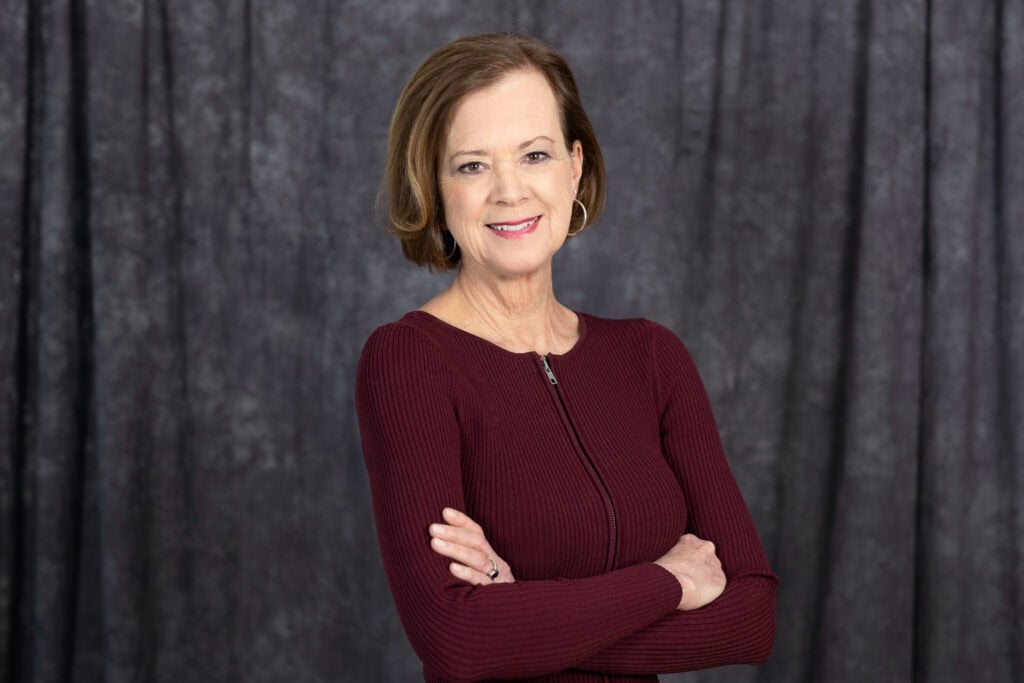
Photo: From Cas Holman’s website.